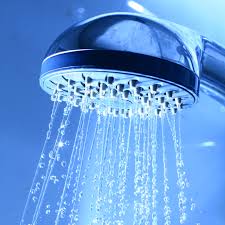
If not specified and installed correctly, showerheads can cause scalding!
Currently, standard shower valves and showerheads have a minimum flow rate of 2.5 GPM. Water-saving shower valves and showerheads are available with lower flow rates. WaterSense showerheads are rated at 2.0 GPM. There are also showerheads available that have 1.5, 1.0, and even 0.5 GPM flow rates. These various options for minimum flow rates in shower valves and showerheads create opportunities for misapplication and dangerous outcomes.
When the flow rate of a showerhead is less than the minimum flow rate of the corresponding shower valve, the potential for scalding increases for the following reasons:
Discharge Temperature Ranges Can Increase
Shower valves provide protection from scalding and thermal shock. The plumbing codes require shower valves to comply with ASSE 1016. To meet the requirements of ASSE 1016, shower valves are tested at their rated flow. Shower valves are not required to be tested at flow rates below the valve’s published minimum flow rate. To comply with ASSE 1016, at the rated flow, the discharge temperature of the shower valve must be maintained within ±3.6°F when inlet cold and hot water pressures and/or temperatures are varied. When a water-saving showerhead limits the actual flow through the shower valve to less than its rated flow, the shower valve may fail to maintain the discharge temperature within the required range. Wider ranges of discharge temperatures can contribute to scalding or thermal shock.
Less Flow Reduction Can Occur On Loss of Water Supply
ASSE 1016 Type P pressure-balancing shower valves, which are the most common type of shower valves, are tested to ensure that, in the event of a loss of cold water or hot water flow, the discharge flow from the shower valve will reduce within five seconds to 0.5 GPM or 30% of the minimum flow, whichever is less, to reduce the risk of scalding or thermal shock.
For example, upon a loss of cold water, an ASSE 1016 shower valve with a minimum flow rate of 2.5 GPM and a 2.5 GPM showerhead will reduce the flow to 0.5 GPM, which is 20% of the minimum rated flow. This significant flow reduction from 2.5 GPM to 0.5 GPM alerts the user and protects against scalding or thermal shock. But if the showerhead has been replaced with a high-efficiency, water-saving 1.0 GPM showerhead, upon loss of cold or hot water flow, the discharge flow rate may be reduced only from 1.0 GPM to 0.5-0.75 GPM. This reduces the flow to only 50 – 75% of the operating flow, rather than the 20 – 30% intended by ASSE 1016, which may be insufficient to prevent scalding or thermal shock.
A Greater Potential for Crossflow Exists
A showerhead with a flow rate below the shower valve’s rated flow rate effectively creates a restriction in the flow stream in the line between the shower valve and showerhead, causing higher pressure in the line than when the shower valve and showerhead have matching flow rates. This higher pressure increases the potential for cross-flow from the hot water supply to the cold water supply at the shower valve. With crossflow, hot water can exit the cold water faucet at a nearby fixture.
Manufacturers and many in the industry are aware of this potential scalding risk. Minimum flow rates for shower valves and showerheads are now included in the fixtures’ packaging and instructions.
The 2018 Uniform Plumbing Code (UPC) added a requirement that the showerhead’s flow rate be at least equal to the shower valve’s minimum flow rate. A similar requirement will be proposed and voted on in the upcoming 2021 International Plumbing Code cycle.
For suggestions on future blog posts, make a suggestion.
Leave a Reply